

In the construction industry, scaffolding is essential for ensuring both safety and efficiency. However, when it comes to choosing between aluminium and steel scaffolding, many contractors can feel a bit lost. Each material has its own set of strengths and weaknesses.
In this blog, we’ll dive into the comparison of aluminium and steel scaffolding to help you figure out which one is the best fit for your project.
Why the Aluminium vs Steel Scaffolding Debate Matters
Every construction project has its own unique requirements. Some projects need scaffolding that’s lightweight and easy to move, while others call for something that can handle heavy loads and withstand the test of time. By understanding the advantages and disadvantages of aluminium versus steel scaffolding, you can make an informed decision that considers your budget, safety needs, and long-term usage.
Key considerations include:
- Project size and height
- Load-bearing capacity
- Weather resistance
- Cost and reusability
Aluminium Scaffolding – Key Features and Benefits
1. Lightweight and Portable
Aluminium scaffolding is significantly lighter than steel, which makes it easier to transport and set up. This is particularly beneficial for indoor projects or when you need to move the scaffolding around frequently.
2. Quick Assembly
With prefabricated aluminium frames, installation and dismantling become quick and hassle-free, saving both time and labor costs.
3. Rust Resistance
Aluminium is naturally resistant to corrosion, making it a great choice for projects exposed to moisture or coastal conditions.
4. Best Use Cases
- Painting and finishing work
- Maintenance jobs
- Indoor construction projects
Steel Scaffolding – Key Features and Benefits
1. Strength and Durability
When it comes to handling heavy loads and standing up to tough conditions, steel scaffolding really shines. It’s the go-to choice for big projects like bridges, highways, and tall buildings.
2. Fire and Weather Resistance
Steel is highly resistant to fire, pests, and harsh weather, making it a reliable option for outdoor work.
3. Long-Term Reuse
Although heavier, steel scaffolding can be reused for years with proper care, making it a smart long-term investment.
4. Best Use Cases
- Large infrastructure projects
- High-rise buildings
- Industrial construction sites
When it comes to handling heavy loads and standing up to tough conditions, steel scaffolding really shines. It’s the go-to choice for big projects like bridges, highways, and tall buildings. Many contractors in Pune trust Alliance Scaffolding for reliable steel scaffolding that meets safety standards and offers long-term durability.
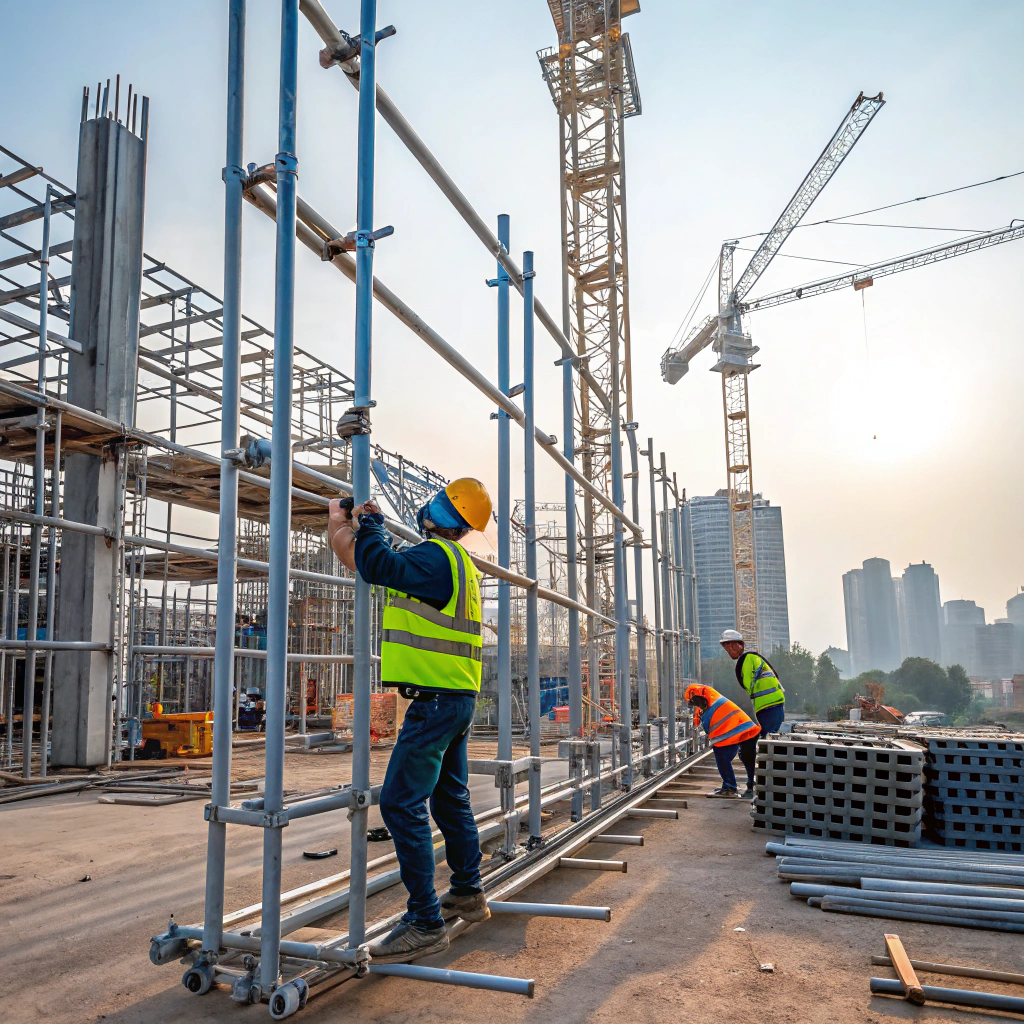
Aluminium vs Steel Scaffolding – A Quick Comparison
Feature | Aluminium Scaffolding | Steel Scaffolding |
Weight | Lightweight and easy to carry | Heavier, requiring more effort |
Load Capacity | Limited load-bearing strength | Very high load-bearing strength |
Durability | Moderate, rust-resistant | Extremely durable and fire-proof |
Cost | Lower initial cost | Higher upfront cost, better long-term ROI |
Best For | Small to medium projects | Large, heavy-duty projects |
Which One Should You Choose?
Choosing between aluminium and steel scaffolding depends on several factors:
- Project Size – Aluminium for small/medium tasks, steel for heavy-duty jobs.
- Mobility Needs – Aluminium is best if frequent movement is required.
- Budget – Steel has a higher upfront cost but better long-term value.
- Weather Conditions – Aluminium resists rust, while steel handles extreme loads.
Final Thoughts on Aluminium vs Steel Scaffolding
Both aluminium and steel scaffolding come with unique advantages.
If your project requires mobility and quick assembly, aluminium is a great choice. But for long-term, large-scale projects that demand strength and durability, steel scaffolding stands out as the better option.
In the end, the decision comes down to safety, budget, and the specific needs of your project.
For detailed safety regulations, visit HSE Scaffolding Guidance